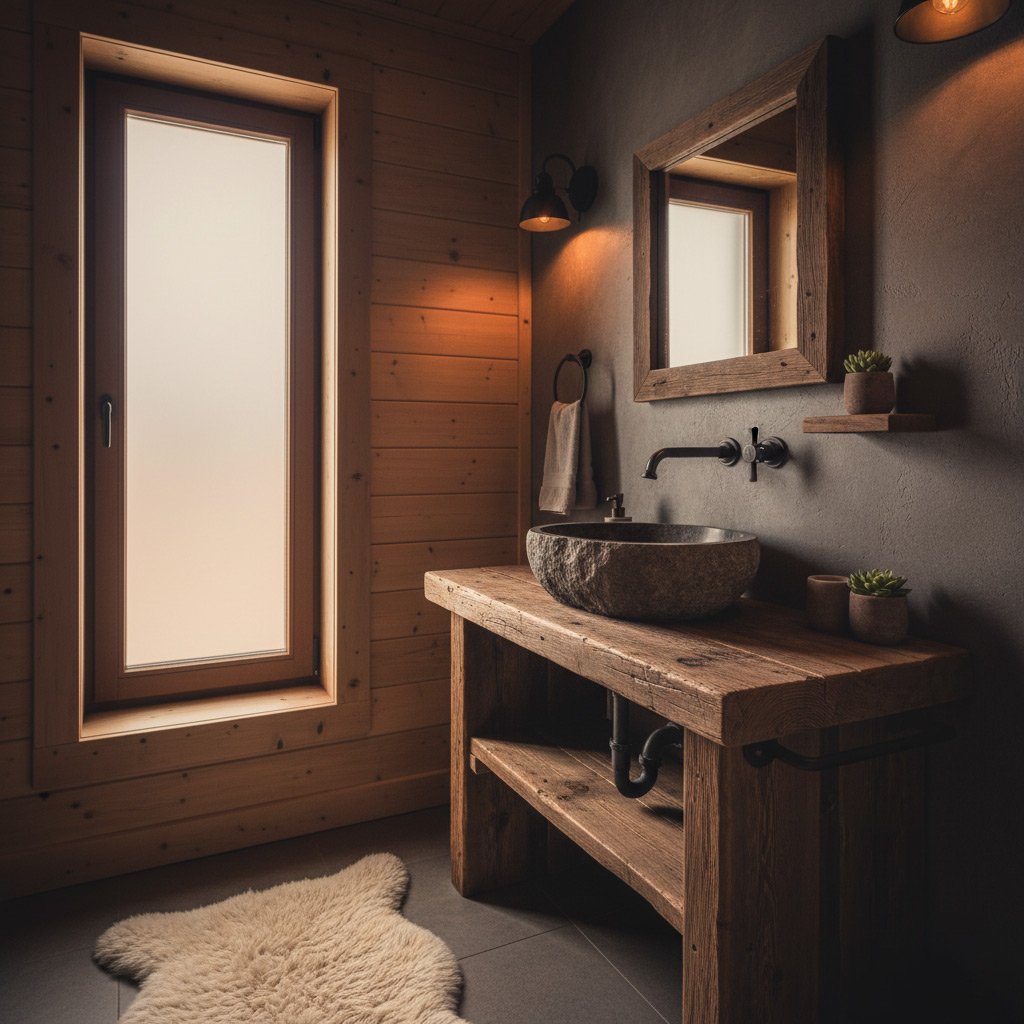
Imagine stepping into a bathroom that looks brand‑new without ripping out the old tub. That’s the promise of bathtub liners, and in Flemington they’re being sold like miracle cures.
But the truth is a lot messier – some liners crack, some hide water damage, and the cheap ones can turn your bathroom into a slip‑n‑slide. We’ve seen homeowners spend a fortune only to end up with a glossy disappointment.
In the next few minutes we’ll separate hype from fact, show you what to look for, and tell you when a liner is a smart move or a costly mistake. Stick around, because the details could save you thousands and keep your bathroom looking sharp.

How Bathtub Liners Are Made and Installed
From Factory to Your Bathroom
Manufacturers start with a flat sheet of acrylic, PVC, or gel‑coat resin. The sheet is heated until it becomes pliable, then placed over a mold that matches the exact dimensions of a standard tub. Vacuum forming pulls the material tight, creating a seamless shell that mirrors every curve of the original basin.
Once the shell cools, a CNC router trims excess material and drills precise cutouts for the faucet, overflow, and drain. Quality control inspectors check for uniform thickness, smooth edges, and any hidden stress points before the liner is packaged for shipment.
Installation in a Flemington Home
The installer begins by removing the old tub’s caulk and cleaning the surface. A level, dry base is essential; any residue can cause the liner to shift later.
- Measure the existing tub twice – accuracy prevents gaps.
- Apply a marine‑grade adhesive that resists moisture and temperature swings.
- Fit the pre‑cut liner, press firmly, and wipe away excess glue.
- Seal the edges with a waterproof silicone bead and let it cure for 24‑48 hours.
After curing, the homeowner can reinstall fixtures and enjoy a brand‑new look without the mess of a full replacement. The whole process usually wraps up in one to two days, depending on the contractor’s schedule.
Material Choices: Acrylic, PVC, and Gel‑Coat – Benefits & Drawbacks
Acrylic
Acrylic liners feel like a fresh tub; they’re lightweight and can be molded to fit almost any shape. But they’re prone to scratching, and a hard impact can leave a visible crack.
- Pros: glossy finish, easy to clean, good color range.
- Cons: scratches over time, may yellow with UV exposure, less impact‑resistant.
PVC
PVC is the budget‑friendly option that many contractors push because it’s cheap to produce. Don’t be fooled—it can become brittle in hot water and warp under heavy use.
- Pros: low upfront cost, quick installation, resistant to chemicals.
- Cons: limited design flexibility, can feel plasticky, may delaminate if not installed perfectly.
Gel‑Coat
Gel‑coat is the premium player, a resin‑based finish that mimics stone or marble without the weight. It’s tough, but if the underlying liner shifts, the coating can crack and peel.
- Pros: high durability, upscale look, excellent slip‑resistance when textured.
- Cons: higher price, requires skilled installer, repairs are costly.

Red Flags: Cracking, Water Damage Concealment, and Slip‑Safety Issues
Not every bathtub liner lives up to the glossy promise. Spot the warning signs early, and you’ll avoid costly repairs down the line.
Cracking – The Silent Saboteur
Cheap acrylic can flex too much, especially in older homes where the framing shifts.
- Look for hairline fractures that appear within the first few months.
- Check the seams where the liner meets the wall; gaps often turn into cracks.
- Ask the installer about the thickness of the material – thinner sheets are more prone to breakage.
Water Damage Concealment – A Hidden Nightmare
A liner can mask rot, mold, or corroded plumbing, giving you a false sense of security.
- Before any adhesive is applied, demand a thorough inspection of the existing tub.
- Insist on a moisture meter reading; values above 15% are a red flag.
- Ask for a written warranty that covers underlying damage, not just the surface.
Slip‑Safety Issues – The Unseen Hazard
Glossy finishes look great, but they can turn a bathroom into a slip‑n‑slide.
- Choose a liner with a textured surface or a non‑slip coating.
- Test the surface with a simple water droplet; if it beads and rolls, it’s too slick.
- Verify that the installer applies the anti‑slip additive evenly – uneven spots are dangerous.
Choosing the Right Contractor in Flemington: Credentials, Guarantees, and Installation Standards
License & Insurance
First thing – ask for a copy of the contractor’s New Jersey license and proof of liability insurance. Without those, you’re gambling with your home.
Check the New Jersey Division of Consumer Affairs website to verify the license number. A quick lookup can reveal past complaints or disciplinary actions.
- Valid state license (NJ‑C‑XXXX)
- General liability coverage of at least $1 million
- Workers’ compensation for the crew
Guarantees & Warranty
Good contractors stand behind their work with a written guarantee. Look for a minimum three‑year warranty on the liner itself and a separate labor warranty.
Ask what the warranty covers – cracks, adhesive failure, or water infiltration. Anything vague should raise a red flag.
- Material warranty from the liner manufacturer
- Labor warranty from the installer
- Clear process for filing a claim
Installation Standards
Proper prep is the difference between a flawless finish and a future disaster. The installer should remove old caulk, clean the tub surface, and test for hidden leaks before the liner goes on.
After the job, they must do a thorough inspection and walk you through care instructions. A reputable pro will even give you a written checklist.
- Surface preparation: sanding, cleaning, drying
- Adhesive application per manufacturer specs
- Final inspection and homeowner sign‑off
Cost Analysis: Bathtub Liners vs. Full Tub Replacement and Hidden Expenses
Up‑Front Price
On paper, a liner can look like a bargain—typically $800‑$1,500 for material and installation in Flemington. A full tub replacement often starts at $3,000 and can climb past $7,000 once demolition, plumbing reroute, and finishing work are added.
But the cheap‑look price tag can be a trap if the liner you choose is low‑grade acrylic that cracks within a year. In that case you’re back to square one, paying twice for the same problem.
Hidden Costs
Even when the initial quote seems clear, a few sneaky line items can bite you later. Keep an eye on these:
- Prep work – removing old caulk, cleaning grout, and fixing minor cracks before the liner goes on.
- Custom edge work – if your tub isn’t a standard size, the installer may charge extra for a tailored fit.
- Warranty extensions – the base warranty might be one year; a three‑year plan can add $200‑$400.
- Disposal fees – some contractors toss the old tub for free, others bill $150‑$300.
Long‑Term Value
When you factor in lifespan, a high‑quality liner can last 8‑10 years, while a solid tub replacement often serves 15‑20 years with minimal upkeep. Calculate the total cost of ownership by adding expected maintenance, potential repairs, and resale impact.
If you’re planning to stay in your Flemington home for a decade or more, a full replacement may actually be the cheaper route in the long run. If you need a quick fix and are okay with a shorter lifespan, a premium liner can still make sense.
Case Study: A Flemington Homeowner’s Experience – From Problem Tub to Successful Liner Installation
The Situation
Mike, a 42‑year‑old electrician in Flemington, discovered a cracked, stained tub after a minor leak went unchecked for months. The porcelain was pitted, the grout crumbled, and the whole bathroom felt dated.
He wanted a fast fix that wouldn’t require a full demolition. The contractor he called promised a “one‑day” liner install, but Mike was skeptical.
- Cracks deeper than 1/8 inch
- Hidden water damage behind the tub
- Slippery surface after years of soap scum buildup
The Solution
After a thorough inspection, the chosen contractor recommended a high‑grade acrylic liner with a textured finish. They removed the old tub’s caulk, repaired the sub‑floor, and applied a waterproof membrane before fitting the liner.
Key steps included:
- Full cleaning of the existing tub to expose any hidden rot
- Installation of a gel‑coat sealant for extra durability
- Professional curing time of 24 hours before use
The Result
Mike’s bathroom now looks brand‑new, and the liner has held up for six months with zero cracks. He saved roughly $4,500 compared to a full tub replacement, and the textured surface eliminates the slip hazard he feared.
He says the biggest win was the peace of mind that the contractor provided a written guarantee and a post‑install inspection.
Final Words
Before you sign any paperwork, make sure you’ve walked the floor, felt the surface, and asked the right questions. A good liner will feel solid under your foot, not like a cheap sheet of plastic.
Three Quick Moves to Protect Your Investment
- Ask for a warranty that covers cracking for at least five years. Anything less is a red flag.
- Request a written guarantee that the contractor will repair any hidden water damage discovered after installation.
- Insist on a slip‑resistant finish and verify it with a simple “wet‑foot” test before the crew leaves.
When you’re ready to move forward, reach out to a licensed Flemington pro who can also handle the drain‑cleaning and leak‑detection aspects that often hide behind a new liner. A contractor who covers the whole picture saves you time, money, and headaches.
People Also Ask
What is a bathtub liner and how does it differ from a tub replacement?
A bathtub liner is a thin, custom‑fit shell that is installed over your existing tub, while a full tub replacement involves removing the old tub and installing a brand‑new one. Liners are typically quicker to install and less disruptive, but they may not address underlying structural issues.How long does a bathtub liner last in Flemington, NJ?
High‑quality liners installed correctly can last 10–15 years, sometimes longer with proper maintenance. Longevity depends on material choice, installation quality, and how well the home’s plumbing and humidity are managed.Are acrylic, PVC, and gel‑coat bathtub liners safe for families with children?
All three materials are non‑porous and resistant to mold, but acrylic and gel‑coat provide a smoother, more slip‑resistant surface than PVC. Adding a textured finish or anti‑slip coating can further improve safety for kids.What red flags should I watch for when a contractor recommends a bathtub liner?
Be wary of promises that a liner will fix severe cracks, water damage, or structural problems without a thorough inspection. Also watch for contractors who skip a proper surface prep, as this can lead to premature cracking or poor adhesion.How does the cost of a bathtub liner compare to a full tub replacement in Flemington?
A bathtub liner typically costs 40%–60% of a full replacement, ranging from $1,200 to $3,500 including installation. Hidden expenses can include necessary plumbing repairs, mold remediation, or additional waterproofing measures.
Flemington Bathroom Remodel brings over a decade of specialized experience to homeowners throughout Flemington, NJ. Their team combines skilled craftsmanship with a deep understanding of local design trends to deliver functional, stylish bathroom transformations. Committed to personalized service, they work closely with each client to ensure projects reflect the unique character of the community.
Need Bathroom Remodel?
We restore comfort and safety to homes in Flemington, NJ and surrounding communities (08822, 08844, 08848, 08861, 08873) with prompt, reliable service. Our technicians arrive on schedule and complete the job efficiently so you can get back to daily life.
Get Bathroom Quote